


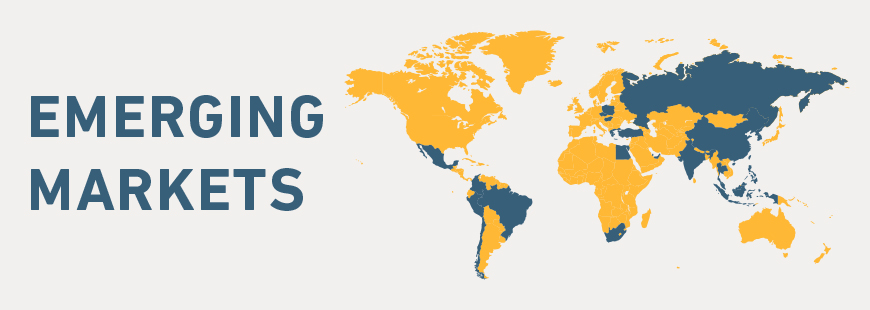
Vietnam’s elevation to Emerging Market (EM) status represents a structural shift in the country’s investability profile. For global funds and banks, the upgrade is less about symbolism and more about capital allocation mechanics, liquidity depth, and execution certainty.The transition fundamentally alters how Vietnam fits into institutional portfolios.
- From Tactical Allocation to Structural Weight
As a Frontier Market, Vietnam was often accessed through:
- Dedicated frontier mandates
- Active high-risk/high-growth strategies
- Opportunistic allocations
EM classification changes this dynamic.
Vietnam becomes eligible for:
- EM benchmarked active funds
- Passive index-tracking capital
- Pension and sovereign allocations with EM mandates
- Large asset managers previously restricted by classification rules
The key difference is not just increased inflows — it is the shift from discretionary to structural allocation.
Capital becomes systematic.
- Liquidity and Market Depth: The Core Question
Institutional investors will assess three immediate variables:
2.1 Trading Capacity
- Can large positions be built without distorting prices?
- Are daily trading volumes sufficient for institutional entry and exit?
- Is block trade infrastructure efficient?
EM inclusion typically increases:
- Foreign participation
- Research coverage
- Market-maker engagement
- Institutional free float discipline
For banks, this translates into:
- Expanded ECM pipelines
- Larger bookbuild capacity
- More viable secondary placements
- Corporate Governance as a Valuation Multiplier
With EM status comes greater scrutiny.
Institutional investors will evaluate:
- Minority shareholder protections
- Disclosure transparency
- ESG compliance standards
- Board independence and audit rigor
Companies seeking global capital will need to:
- Upgrade governance frameworks
- Professionalize investor relations
- Align reporting standards with global expectations
The valuation gap between well-governed and poorly governed issuers is likely to widen.
- Foreign Ownership Limits and Structural Barriers
For funds, the practical constraints remain critical:
- Foreign ownership caps in regulated sectors
- Share class structures
- Settlement cycles and clearing efficiency
- Custody infrastructure
- Transparency in beneficial ownership
EM status increases pressure to address these issues.
Markets that fail to modernize risk discounting despite upgraded classification.
For banks structuring transactions, clarity in these areas will be decisive for successful international placements.
- IPO Pipeline and Exit Channels
Private equity and strategic investors gain a potentially more robust exit environment.
Expected developments include:
- Revival of delayed IPO candidates
- State-owned enterprise equitizations
- Larger deal sizes supported by deeper liquidity
- Increased cross-border book building
Vietnam’s exchange may evolve into a credible liquidity platform rather than merely a domestic listing venue.
- Debt Capital Markets: Underappreciated Upside
The bond market may benefit significantly from EM visibility:
- Increased appetite for VND-denominated instruments
- Expansion of green and sustainability-linked bonds
- Infrastructure financing via capital markets
- Greater participation from international asset managers
This supports gradual diversification away from bank-dominated financing.
For banks, structuring mandates may grow in both local currency and cross-border offerings.
- Volatility, Expectations, and Capital Discipline
Emerging Market status does not eliminate volatility.
Short-term risks include:
- Front-loaded inflows followed by normalization
- Concentration in large-cap names
- Execution bottlenecks in infrastructure
However, over the medium term, the shift typically results in:
- Improved price discovery
- Broader sector representation
- More disciplined corporate capital management
- Strategic Positioning for Institutional Investors
Vietnam combines:
- Strong GDP growth
- Manufacturing relocation tailwinds
- Expanding middle class
- Increasing integration into global trade frameworks
With EM classification, the capital markets now begin to reflect the strength of the real economy.
For funds and banks, the central question is no longer whether Vietnam is investable.
It is how quickly institutional infrastructure, regulatory refinement, and governance discipline align with global expectations.
Those who engage early may benefit from valuation asymmetries during the transition phase.
Conclusion
Vietnam’s upgrade to Emerging Market status is not a short-term trading catalyst. It is a structural repositioning of the country within the global capital allocation system.
The next phase will reward:
- Sophisticated investors
- Long-term allocators
- Institutions capable of navigating regulatory nuance
If reforms continue and infrastructure modernizes in parallel, Vietnam’s capital markets may enter a decade defined not only by growth — but by institutional credibility.
***
Please do not hesitate to contact Dr. Oliver Massmann under [email protected] if you have any questions or want to know more details on the above. Dr. Oliver Massmann is the General Director of Duane Morris Vietnam LLC.

